Building on Claude? What Changes on November 12
Anthropic's revised Usage Policy takes effect November 12, 2026. For businesses with Claude inside their product, the big change is the human-review and disclosure rule for decisions about people's money, jobs, health and housing.
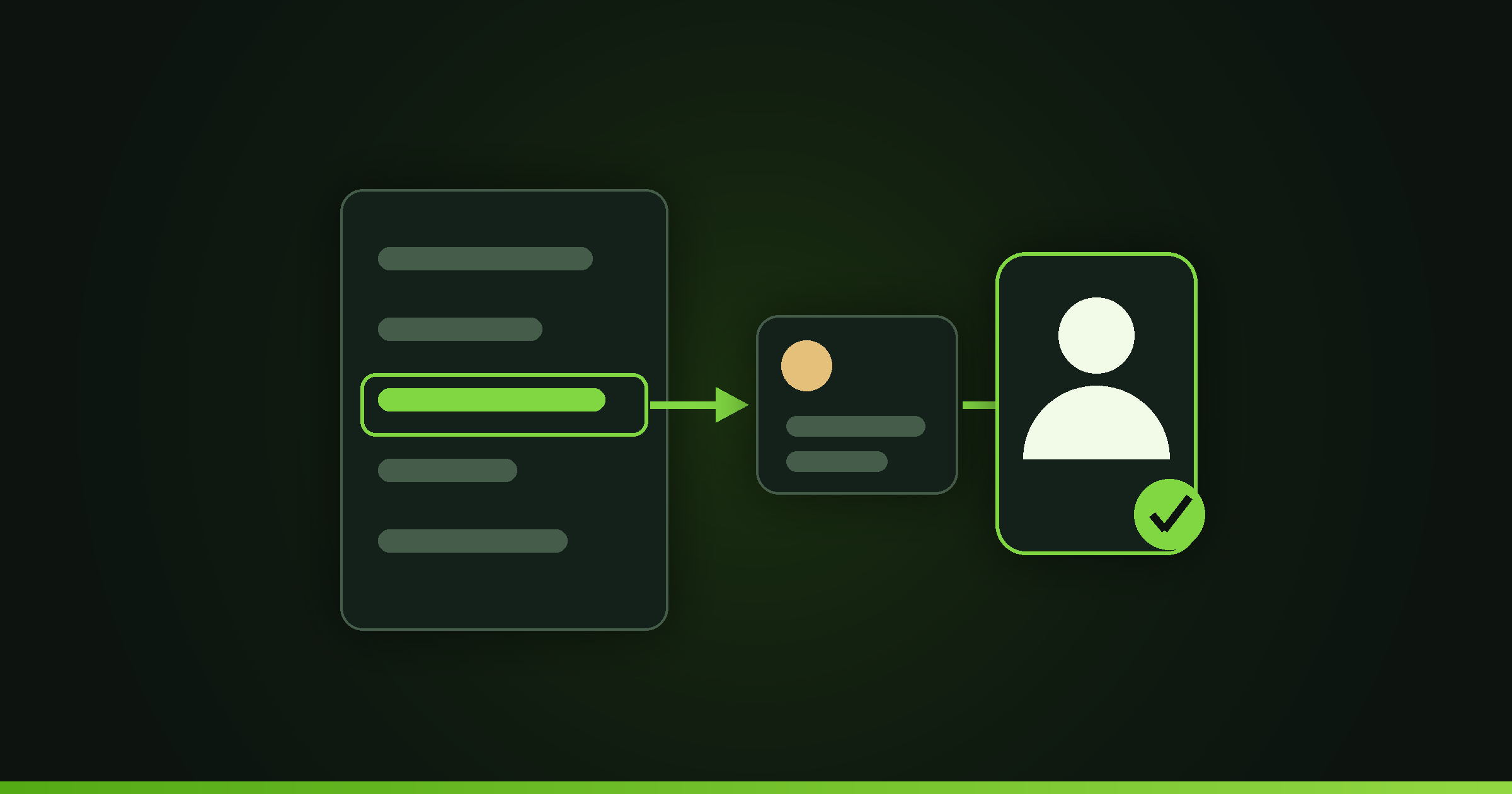
If your product uses Claude to make or shape a decision about a person's money, job, health, housing, education or legal status, Anthropic's revised Usage Policy, effective November 12, 2026, requires a qualified human to review that recommendation before it reaches them, and requires telling the person AI was used. Most other changes are clarifications.
What is changing in Anthropic's Usage Policy?
Anthropic published its first Usage Policy revision in more than a year on October 8, 2026, according to Unite.AI, with the new text effective November 12. The live policy page at anthropic.com already shows the November 12 effective date, with a link to the previous version.
Unite.AI describes most of the changes as clarifications, informed by longer stretches of independent work by Claude, customer feedback and Anthropic's September 2026 threat report. The policy is organised into three parts: Universal Usage Standards that apply to everyone, High-Risk Use Case Requirements, and Additional Use Case Guidelines covering consumer chatbots, minors, agentic use and MCP servers.
It applies to anyone who can submit inputs, including through resellers or passthrough access. If your customers type into a box that reaches Claude through your app, the rules cover what they do too.
Which uses count as high-risk?
The policy covers uses that can affect someone's health, legal rights, finances, livelihood, or access to housing, education or essential services. Anthropic's page names 11 domains:
- Legal
- Medical
- Finance
- Credit
- Insurance
- Housing
- Employment
- Education and credentials
- Healthcare access
- Public benefits and services
- Legal status and adjudication
In practice, think of tools that screen job applicants, price a loan or insurance policy, triage a patient, decide a tenancy application, or grade a student for a credential. Unite.AI's coverage singles out screening job candidates and pricing loans as examples.
What does the human-review rule actually require?
Two things, according to the policy text on anthropic.com.
First, a qualified person must meaningfully review a high-risk AI recommendation before it is delivered to the individual or used to carry out a decision. That reviewer has to have the authority to change it. A staff member who can only click "approve" does not meet the description.
Second, the affected individual must be clearly told that AI was used. The policy says you do not have to name Anthropic, Claude or the specific model.
There is one practical exception. Where the law permits, human review is not required for wholly favourable decisions, such as paying a claim, approving a prior authorisation, or granting a public benefit. Partial or conditional approvals do not count as wholly favourable, so a loan approved at a higher rate than requested would most likely still need review.
What is not covered by the high-risk rule?
The revised policy lists what falls outside the definition, which is the most useful part for a small business working out where it stands. Excluded uses include:
- general educational information and wellness content
- explaining advice a qualified person has already given
- internal drafting and research
- carrying out a decision that has already been made, or applying fixed rules with no judgment
- business operations that do not advise on a specific individual
So a Claude-powered assistant that drafts a contract for a lawyer to edit, or summarises a policy document for staff, is not a high-risk recommendation. A tool that tells a customer whether they qualify for a refund under a fixed rule is likely fine. A tool that decides which applicant gets the job is in scope.
Does the rule now apply to business-to-business products?
Read your own case carefully here. When Anthropic revised the policy in August 2025, its announcement said human oversight and disclosure applied when outputs are "consumer-facing, and not for business to business interactions."
The high-risk section of the November 2026 policy, as published on anthropic.com, does not repeat that consumer-only limit. It is framed around the effect on an individual instead. If your B2B product helps an employer screen candidates or a lender price applicants, the individual affected is still a person, and the requirement appears to apply. Code4U's reading is not legal advice, and if a meaningful share of your revenue depends on this, it is worth confirming with counsel or with Anthropic directly.
What else changed that a product team should know?
A few other updates are worth a line each:
- Deceptive campaigns. A new section, "Do Not Engage in Deceptive Campaigns or Artificial Activity," covers fake personas and accounts, concealed sponsorship, networks of fake outlets, and tools that enable them. It applies to commercial activity, not only politics, so fake review generators and sockpuppet marketing tools are plainly out.
- Targeting. Unite.AI reports the blanket ban on personalised vote and campaign targeting is removed, while targeting that relies on deception or misused voter data stays prohibited.
- Surveillance. Tracking people without consent, live or from data already collected, is prohibited. Fraud monitoring and content moderation remain permitted.
- Physical devices. If Claude controls equipment that can take high-risk physical actions, a qualified operator must be able to observe and stop it, and safety limits must be enforced independently.
- Treatment of Claude. The policy now prohibits "sustained and needless abusive or cruel behavior toward our models." Unite.AI says it targets extreme cases only, not frustration, pushback or dark creative writing.
Enforcement, per Unite.AI, runs through Anthropic's Safeguards Team and can mean throttling, suspension or termination.
What should you check before November 12?
- List every place Claude touches a decision about a person. Include features your customers configure, not just ones you built.
- Sort each one into excluded (drafting, research, fixed rules) or high-risk (a recommendation about a specific individual in one of the 11 domains).
- For high-risk flows, add a real review step. A named, qualified reviewer who can change the outcome, with the decision logged.
- Add an AI disclosure where the individual will see it. It does not need to name the vendor.
- Check your terms of service so your customers know they cannot use your product for deceptive campaigns or tracking.
- Review agent features against the agentic use guidelines if Claude takes actions on its own in your product.
Code4U has written before about when a chatbot has to identify itself, in your AI chatbot now has to tell people it is AI. The Anthropic rule is a contract term rather than a law, but the practical work overlaps.
FAQ
When does Anthropic's new Usage Policy take effect?
Anthropic's revised Usage Policy takes effect on November 12, 2026. It was published on October 8, 2026, according to Unite.AI, and the policy page on anthropic.com shows the November 12 effective date with a link to the previous version. Until then, the earlier policy still applies.
Do I need human review if Claude only drafts documents for my staff?
Generally no. Anthropic's policy excludes internal drafting and research, explaining advice a qualified person already gave, and business operations that do not advise on a specific individual. Human review is required when Claude makes a recommendation about a specific person in a covered area such as employment, credit, insurance, housing, medical care or legal status.
Do I have to tell users my product uses Claude?
You have to tell people affected by a high-risk recommendation that AI was used, but Anthropic's policy says you do not have to name Anthropic, Claude or the specific model. Separate disclosure guidance for consumer-facing chatbots sits in the policy's Additional Use Case Guidelines section.
What happens if my app breaks Anthropic's Usage Policy?
According to Unite.AI, Anthropic's Safeguards Team enforces the policy, and violations can lead to throttling, suspension or termination of access. Anthropic may also block or modify outputs. Because the policy covers anyone submitting inputs through your product, your own customers' misuse can put your account at risk.
If you want a second pair of eyes on where Claude sits in your product, that is part of the AI integration and consulting work Code4U does.