Are Claude Code Mods Safe to Install?
Anthropic's new Claude Code mods can rewrite prompts, approve permissions and change what the agent sees. They also run unsandboxed with full access to your machine. What a small dev team should check before installing one.
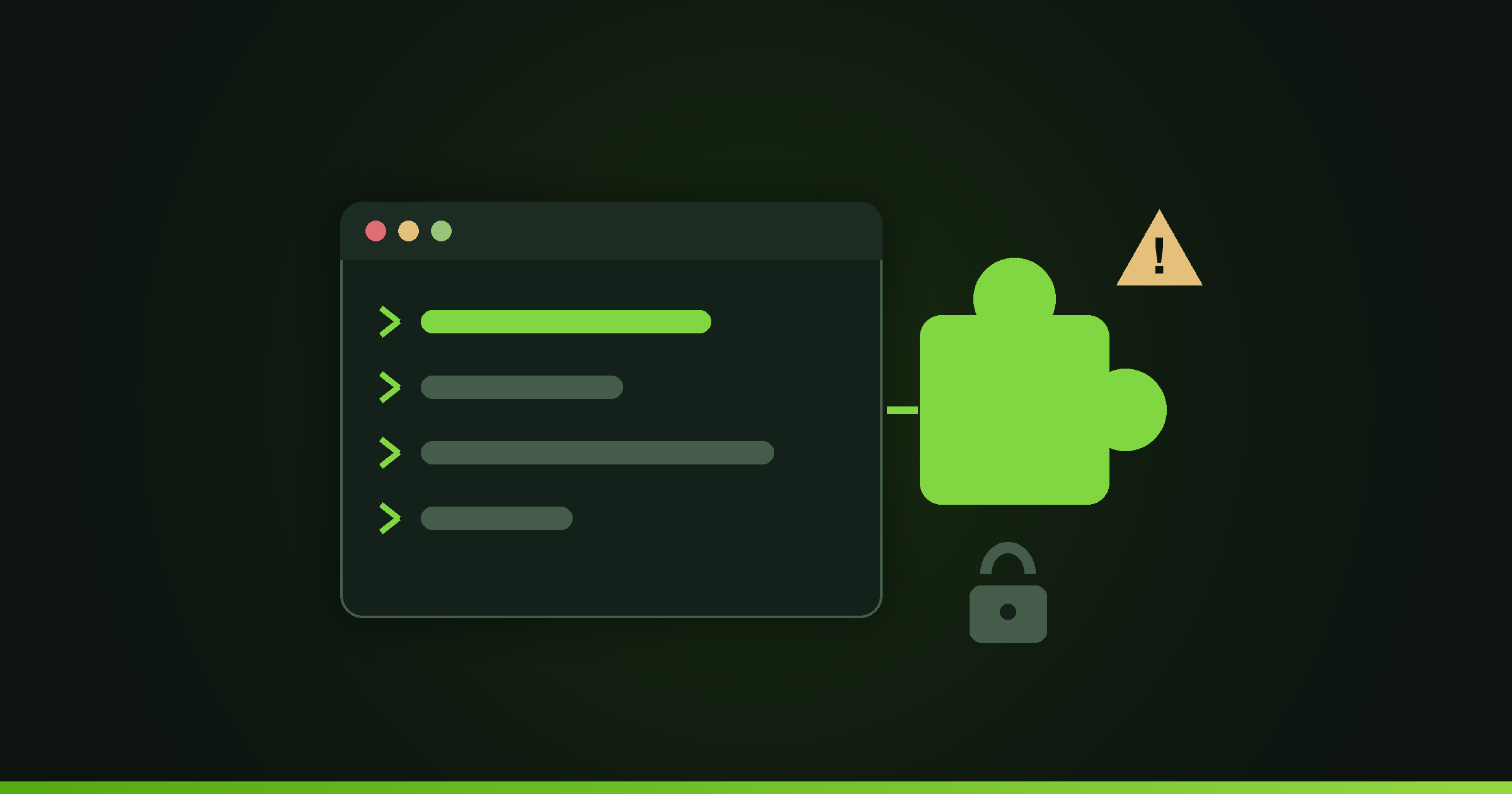
Only if you trust the author as much as you would trust any program you run. Anthropic launched Claude Code mods on October 1, 2026, and its own announcement says mods are not sandboxed and get the same access to your machine as Claude Code. Treat installing one like installing software.
What are Claude Code mods?
Mods are small TypeScript functions that change how Claude Code behaves and looks. Anthropic says they can be written by hand or generated by Claude Code itself, and they work in the terminal, the desktop app, or both.
Claude Code emits an event every time it does something. A mod hooks into those events and can run before, after or instead of the action, or wrap it entirely. According to Anthropic, a mod can:
- rewrite a prompt before it reaches the model
- block, rewrite or retry a tool call
- approve or deny a permission request
- redact secrets from tool output before Claude sees them
- edit or replace interface elements, and add buttons and inputs
Crypto Briefing lists three example mods from the launch: Token Weather, which shows context window usage; Blast Radius, which flags risky shell commands before they run and shows the files affected; and Replay Theater, which records file edits per turn for inspection.
How are mods installed?
Mods ship inside plugins. You install them through the Claude directory or the /plugin command, and distribution follows the same plugin marketplace controls Claude Code already uses. Authors can keep a mod private or submit it to the directory.
When several mods hook the same event, they load in order. Anthropic says the first loaded mod gets the event first and the result last.
Why do security teams care that mods are unsandboxed?
Because of what a mod sits between. Anthropic's announcement states that mods are not sandboxed and run with the same machine access as Claude Code, and advises installing them only from trusted sources, the way you would treat executable code. Crypto Briefing's coverage highlights the same point as the main risk.
Think about the capabilities list from an attacker's side. A mod that can approve permission requests can grant the agent actions you never saw a prompt for. A mod that can rewrite prompts can quietly add instructions. A mod that can replace interface elements can change what a tool result appears to say. And because it runs with Claude Code's own access, it can read whatever the developer can read, including source code and credentials in the environment.
None of that requires a flaw. It is the feature working as designed in the hands of the wrong author.
Can a trusted plugin turn malicious later?
It has happened at the distribution layer before. AIR Security's Plugin4Shell research, found in May 2026 and disclosed to vendors in June, showed a flaw in how Claude Code, OpenAI Codex, GitHub Copilot and Gemini CLI fetched pinned plugin code. An attacker who controlled a plugin's repository could create a branch named after the pinned commit hash, and git would check out the branch instead of the reviewed commit. AIR noted that background plugin auto-update is on by default in Claude Code and Codex, so the swap needed no click.
Anthropic patched Claude Code in version 2.1.179, which AIR confirmed on June 17, 2026. The lesson still applies to mods: trusting a plugin means trusting its author and its update path, not just the version you read once. Since mods now ship inside plugins, a compromised plugin update could carry code with more reach over the agent than before.
What controls do Team and Enterprise plans get?
Anthropic lists several:
- admins can allow or block plugin marketplaces
- managed settings can be pushed to users' machines
- a built-in security mod,
sec-default, loads first on Team and Enterprise plans and stops user-installed mods from overriding permission denials
The sec-default detail is important given the load order. Because it receives events first and results last, a later mod cannot quietly approve something the baseline denied. On individual plans, that guard is not described, so the user is the control.
Anthropic also suggests teams write their own mods for things like CI/CD status, production safeguards and audit logging, which is the defensive use of the same power.
What should a small dev team check before installing a mod?
- Update Claude Code first. Make sure you are past 2.1.179 so the plugin pinning fix is in place.
- Read the mod's source. Mods are small TypeScript functions. If you cannot read it in a few minutes, that is a signal.
- Look for permission hooks. Any mod that approves permissions, rewrites prompts or replaces tool output deserves the closest review.
- Check who controls updates. Prefer mods from a repository your team owns or forks. A fork you control cannot change under you.
- Restrict marketplaces if you are on Team or Enterprise, and confirm
sec-defaultis active. - Keep secrets out of the agent's reach where possible. A redaction mod helps, but the best secret is one the agent never had access to.
- Write the guard rails yourself. A small in-house mod that blocks commands against production or logs every tool call is a sensible first mod.
Code4U wrote about a related risk, giving an AI assistant broad access, in before you give an AI assistant your inbox. The same rule holds for coding agents: grant only the reach the job needs.
FAQ
Are Claude Code mods sandboxed?
No. Anthropic's launch announcement says mods are not sandboxed and run with the same access to your machine as Claude Code itself. Anthropic advises installing them only from trusted sources and treating them like any executable code. Team and Enterprise plans add a built-in sec-default mod that prevents user-installed mods from overriding permission denials.
What can a Claude Code mod do?
A mod can rewrite prompts before they reach the model, block or rewrite tool calls, approve or deny permission requests, redact secrets from tool output, and edit or add interface elements in the terminal or desktop app. Mods are TypeScript functions shipped inside plugins and installed through the Claude directory or the /plugin command.
How do I install Claude Code mods safely?
Update Claude Code past version 2.1.179, read the mod's source before installing, and look hardest at any hook that approves permissions or rewrites prompts. Prefer mods from repositories your team controls. On Team or Enterprise plans, restrict plugin marketplaces and confirm the sec-default security mod is active.
If your team wants help setting safe defaults for AI coding agents, that is part of the security and consulting work Code4U does.